
We handle cases across the United States. Allen Stewart is licensed to practice law in Texas, California, New York, Pennsylvania, Missouri, North Carolina, Ohio and Arizona.
Eminent Domain
Texas Eminent Domain Lawyer
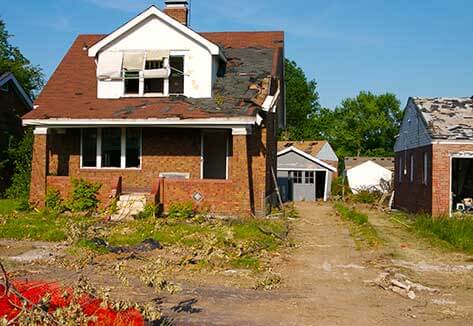
The certified letter hits you like a punch to the stomach: it’s a notice from the government that it intends to take your property for a public works project. What can you do to ensure that your rights are protected?
One of the first things you can do is contact Allen Stewart, P.C. for legal help. Our lawyers can represent you every step of the way in an eminent domain condemnation proceeding to help ensure that you are paid fair and just compensation for your property.
Under Texas eminent domain law, government entities like cities, counties, and federal and state agencies—and sometimes even private companies acting under the authority of the government, like utility companies—can exercise what’s called “condemnation powers” to force landowners to sell their property for a public purpose.
But while the government has the right to take your property for public use under special circumstances, it cannot do so without providing you with fair compensation. The 5th Amendment of the United States Constitution requires it: “No person shall be . . . deprived of life, liberty, or property, without due process of law; nor shall private property be taken for public use, without just compensation.”
In Texas, government authorities and private entities exercise condemnation powers to take private landowners’ property for a variety of reasons: building or expanding roadways; running pipelines, water or sewer lines, and power lines; building ballparks, stadiums, and commercial shopping centers; accessing water sources; and a variety of other purposes. Whether the authority seeking to condemn your property wants all or just a small piece of it—or even if it wants an easement or underground access—you, the landowner, have the right to receive fair and adequate compensation for your property.
The lawyers at Allen Stewart, P.C can help you protect your rights to fair compensation for your property. Allen Stewart and his team of Texas eminent domain attorneys can help you evaluate the offer of compensation you receive for your property and if necessary, represent you in negotiations and possibly trial, all at no out-of-pocket expense to you.
There are tight deadlines in eminent domain cases. As soon as you are notified that the government plans to take your property, contact the attorneys at Allen Stewart, P.C. for a free consultation to ensure that your rights are protected.